
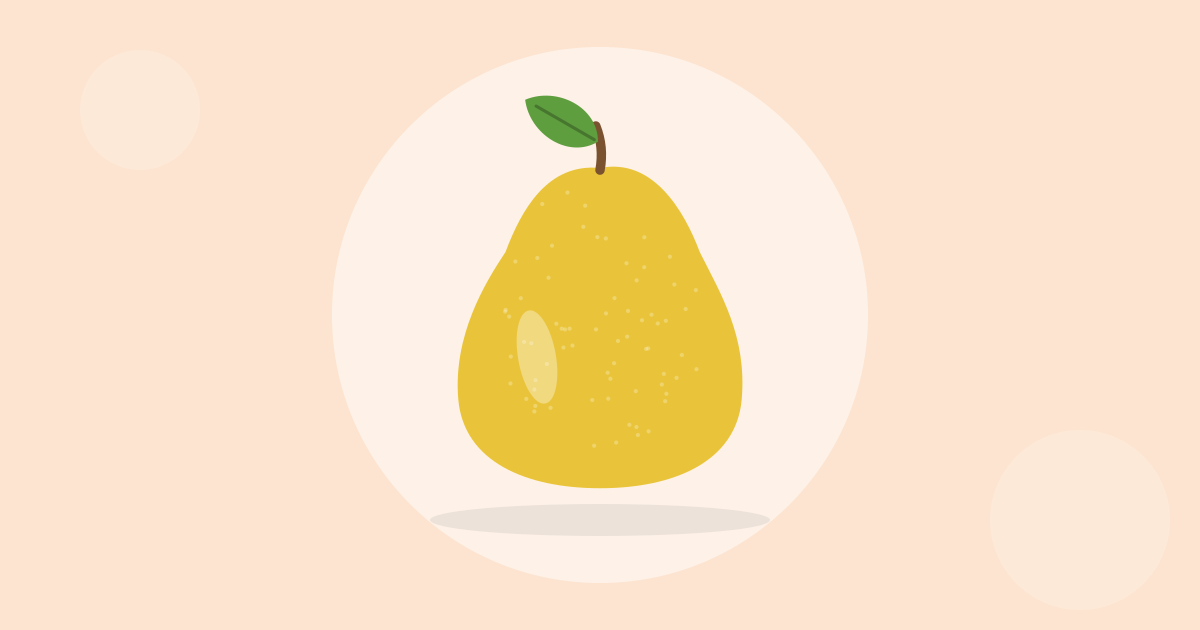
Quinces: The Golden, Fuzzy, Perfumed Oddball Awaits You
Let’s be honest: quinces are the mysterious, slightly awkward friend of the fruit world. They look like a lumpy, sunshine-yellow pear, covered in a soft, dusty fuzz. You can’t really eat them raw (they are hard and astringent), but the moment you get them home and apply a little heat? Magic. Pure, floral, honeyed magic.
And the best part? You get to pick that magic yourself. On a handful of farms scattered around the Netherlands, you can wander through gnarly old quince trees from late September to October. The quinces hang heavy and hard, filling the air with a perfume that smells like a cross between ripe apples and guava.
The Great Quince Hunt: A Guide
First, don’t be precious about looks. Quinces are supposed to be lumpy. Look for fruit that is firm, without soft spots or bruises, golden-yellow and strongly fragrant. Leave green or damaged fruit on the tree. The fuzz is part of the charm; it rubs off with your thumb. Bring a sturdy bag or a basket, and handle the fruit gently: quinces are firm, but they do bruise.
Let the kids grab the low-hanging ones. Gently twist a ripe quince off its stem; if the stem is stubborn, use pruners. By the time your basket is full, your hands will smell like a fairy tale.
What do you actually do with a mountain of rock-hard golden lumps?
First, let them sit on your counter for a day or two. The smell will fill your entire home. Keep them in a cool, dark, well-ventilated place, loose or in a single layer: they keep 2–4 weeks at room temperature, or up to 2 months in the fridge. Wash them just before use.
Here is how to win at quince life:
Recipe 1: The Red Glow of Slow-Roasted Quince
This is the most stunning thing you can do. The pale yellow flesh turns a deep, jewel-like ruby red. It’s science. It’s art. It’s delicious.
- Preheat oven to 160°C (320°F).
- Scrub the fuzz off the quinces. Slice them in half (use a sharp knife, they are tough). Don’t bother peeling yet. Core the centers with a melon baller or spoon. Keep the peels and cores!
- Toss the halves in a baking dish with the juice of 2 lemons, a cup of sugar, a cinnamon stick, a star anise, and enough water to come 1 cm up the sides.
- Roast for 3-4 hours, turning once or twice, until deep red and tender. The liquid will become a syrupy nectar.
- Eat with yogurt, on ice cream, next to pork, or just by the spoonful.
Recipe 2: The King of Jams (Quince & Ginger)
Quince is the queen of preserves, and it is naturally rich in pectin.
- Peel, core, and dice 1 kg of quinces. Put the peels and cores in a cheesecloth pouch (for natural pectin).
- Chuck the diced fruit, the pouch, about 700g of sugar, the juice of 1 lemon, and a 5cm knob of grated fresh ginger into a large pot.
- Simmer for 45-60 minutes, stirring occasionally, until the fruit breaks down and the mixture is thick. When it coats the back of a spoon, it’s done.
- Fish out the pouch. Mash the fruit a bit for texture.
- Spoon into sterilized jars. This jam is good on toast, but magnificent on cheese (especially Manchego or a sharp cheddar).
Go find a tree. Get fuzzy. Make red gold.