
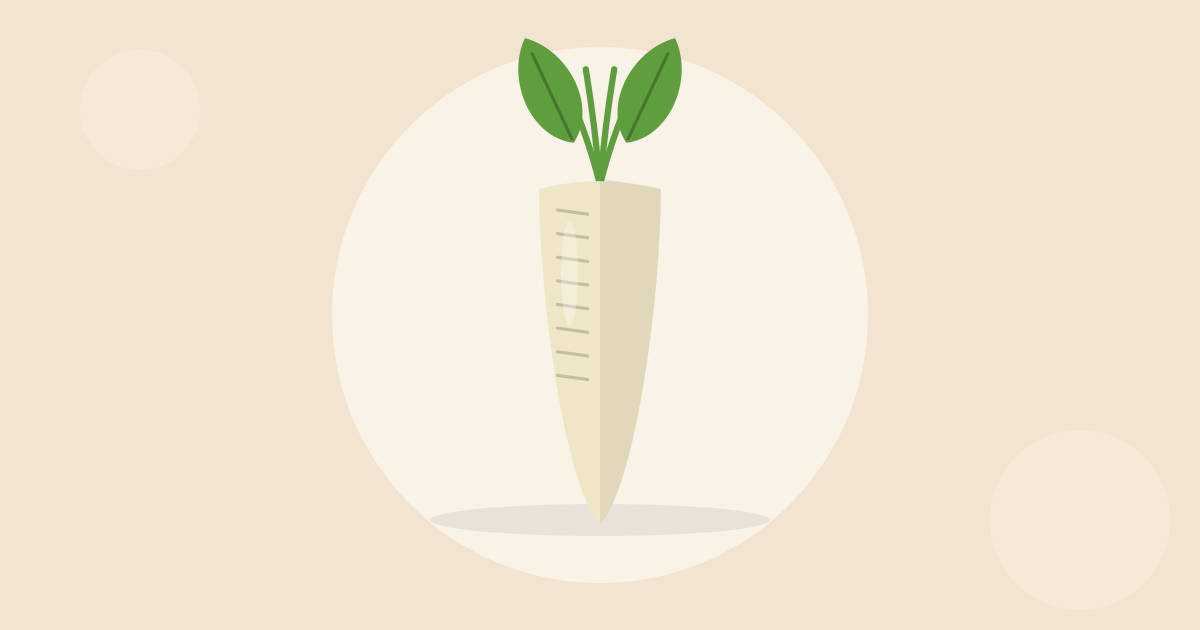
Get Your Hands Dirty: The Great Parsnip Pull
Let’s be honest—most of the time, parsnips are the shy wallflowers of the vegetable aisle. They’re always hanging out next to the carrots, looking a little pale and forgotten. But here’s the secret: a parsnip freshly pulled from the earth is a completely different beast. It’s sweeter, nuttier, and has that distinct perfume that makes you want to build a fire and watch the rain.
So, grab your wellies and a trowel (or just your bare hands!). At one of the many “pluktuinen” (pick-your-own farms) scattered across the Netherlands, parsnips are usually ready from October through March. The frost actually makes them sweeter, so don’t be afraid of a cold day.
The Great Dig
Finding a parsnip is half the fun. You’ll spot a cluster of feathery, dark green leaves poking out of the soil. But don’t be fooled – the root below is a lot bigger than it looks. First use a garden fork to gently loosen the earth around them, then grab those leaves close to the base and give a firm, steady pull. There’s a very satisfying pop when it finally releases. Handle them gently, as they can bruise or snap.
Pro-tip: Make it a competition. Who can find the longest, most crooked, or most gnarly “Mr. Parsnip”?
Bring a sturdy basket. You’ll be surprised how heavy a dozen good-sized parsnips are.
Once You’re Home: From Field to Feast
Don’t just toss them in the salad bowl. Raw parsnips are a bit fibrous (thin slices are the exception). They crave heat. Here’s what to do with your haul:
- The “Sniff Test” Scrub: Just before cooking, give them a good scrub with a brush under cold water. No need to peel them unless the skin is tough. A lot of the flavor is right under that thin skin.
- Store smart: Remove the leafy tops (they sap moisture) and store the parsnips unwashed in a perforated plastic bag in the fridge – they’ll keep for two to four weeks.
- The Roasting Rule: This is the classic. Toss them in oil, salt, pepper, and a little honey or maple syrup. Roast at 200°C (400°F) until golden brown and caramelized. You’ll eat them as fast as you can cook them.
Two Recipes for Your Parsnip Bounty
Recipe 1: Parsnip & Ginger Soup (The Ultimate Hug in a Bowl)
This one is pure magic. It’s so simple and yet tastes incredibly sophisticated.
Ingredients:
- 500g parsnips, scrubbed and chopped
- 1 onion, chopped
- 1 thumb-sized piece of fresh ginger, peeled and grated (or a teaspoon of dried)
- 1 large potato, peeled and chopped (for creaminess)
- 1 liter vegetable or chicken stock
- 100ml full-fat coconut milk or heavy cream
- Salt, pepper, and a pinch of nutmeg
How to:
- Sweat the onion in a big pot with a little butter or oil until soft (5 mins).
- Add the ginger and cook for 1 minute.
- Toss in the parsnips and potato, stir for 2 minutes.
- Pour in the stock, bring to a boil, then simmer for 20 minutes until everything is fork-tender.
- Blend until silky smooth. Stir in the coconut milk, season with salt, pepper, and nutmeg.
- Ladle into bowls. Top with a swirl of cream and crispy bacon bits if you’re feeling fancy.
Recipe 2: Honey-Glazed Parsnips with Thyme (The Side Dish Stealer)
These will upstage the turkey or the roast chicken. They’re sticky, sweet, and herbaceous.
Ingredients:
- 500g parsnips, cut into batons (like thick fries)
- 2 tbsp olive oil
- 2 tbsp honey
- 2 sprigs fresh thyme (or 1 tsp dried)
- Salt and pepper
- Splash of lemon juice
How to:
- Preheat oven to 200°C (400°F).
- In a bowl, toss the parsnips with olive oil, honey, thyme leaves, salt, and pepper.
- Spread in a single layer on a baking tray.
- Roast for 30-40 minutes, turning halfway, until golden and tender.
- Take out, squeeze a little lemon juice over them. Serve immediately. You will not have leftovers.