
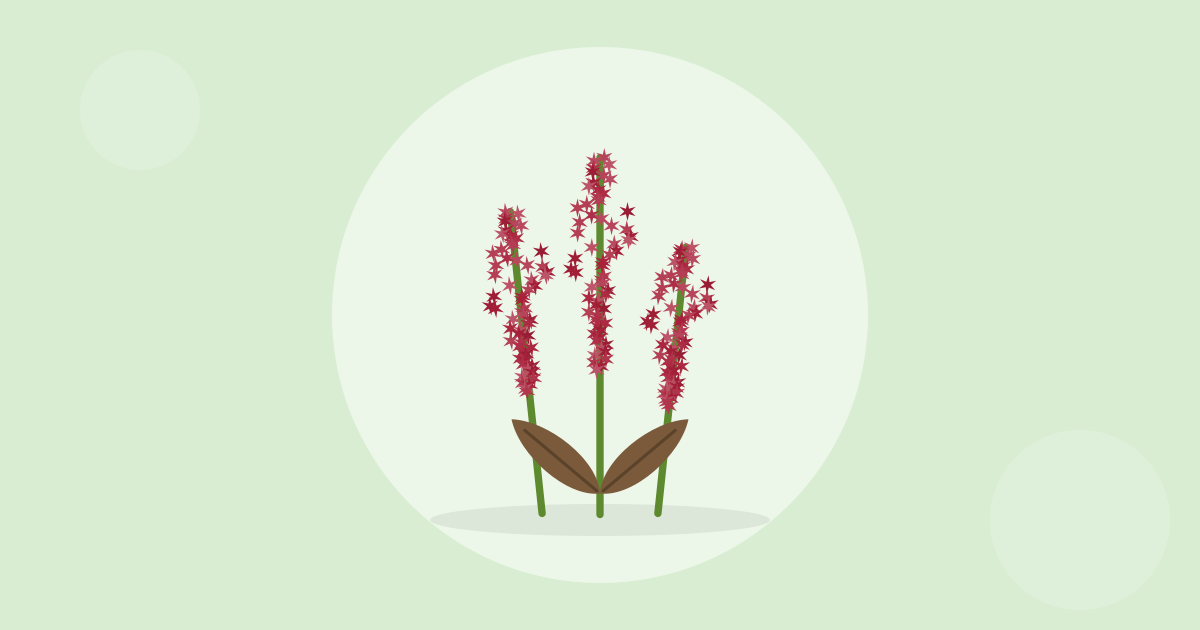
Okay, so you’ve decided to go for amaranth. Excellent choice. It’s a bit of a triple threat: it’s a flower, a grain, and a leafy green all in one, but when you’re picking it yourself in the Netherlands, you’re usually after the young, tender leaves or the vibrant, tassel-like flower heads. The farms here often have rows of it looking like something out of a Dr. Seuss book—tall, proud, and dripping with crimson or gold.
Picking It: The “You Pick” Experience
Grab a basket and some friends (or just yourself, no judgment—it’s a peaceful activity). Amaranth is picked from May to September. The stems are sturdy, but the leaves bruise easily, so handle them gently and don’t pack them too tightly. For leaves, pick the younger, smaller ones from the top of the plant, before the plant starts to flower. The older leaves at the bottom can be a bit chewy. Pinch or cut them off and leave the lower part of the stem, so the plant can grow back. For the flowers, look for ones that are fully colored but still “fluffy.” Gently squeeze the tassel near the base; if it feels crisp and dry, it’s perfect for drying.
Pro tip: pick in the morning or late afternoon, when the leaves are less likely to wilt in the heat. Also, bring scissors. While you can snap amaranth stems, a clean cut is kinder to the plant.
Once You’re Home: The Fun Part
You’ve brought home a bunch of amaranth. Now what? If you picked the flowers, you have two paths: fresh or dried. Fresh, they make a wild, dramatic bouquet that screams “I am an artiste” even if you just stuck them in a vase. Dried, they hold their color for months. Hang them upside down in a dark, dry place for two weeks, then arrange them in a rustic pot. They’re practically indestructible.
The leaves? They’re like spinach’s slightly more interesting cousin. Wrap them unwashed in a damp paper towel, put them in a bag in the fridge and use them within 3 to 5 days; rinse them well just before cooking. Sauté them, throw them into soups, or blend young leaves into a green smoothie.
Since amaranth is a grain as well—but you’re not likely to harvest the tiny seeds by hand on a pick-your-own farm (they’re a pain to thresh)—let’s focus on the leaves and flowers. But wait! If you did grab a bag of its seed-like grain from the farm shop, here is a recipe:
A Recipe (for the grain/seed amaranth)
Amaranth Porridge with Honey and Apple Toast 1 cup of amaranth seeds in a dry pan until they pop (yes, they pop like tiny popcorn!). Add 2 cups of water or milk (oat milk works great), a pinch of salt, and a dash of cinnamon. Simmer for 20 minutes, stirring occasionally, until creamy. Top with grated apple and a drizzle of Dutch honey. Breakfast of champions.
One Tea Recipe (for the leaves)
Amaranth Leaf and Ginger Tea Grab a handful of fresh amaranth leaves (washed). In a pot, bring 2 cups of water to a boil with 2 slices of fresh ginger and a stick of cinnamon. Add the leaves, turn off the heat, and let steep for 5 minutes. Strain, sweeten with a little honey, and sip while you admire your dried flower arrangement. It’s earthy and mild.
Decoration Suggestions (for the flowers)
- Wreath it: Weave the dried stems into a rustic wreath base with eucalyptus and dried orange slices. Hang it on your door.
- Float them: Cut the flower heads off and float them in a shallow bowl of water with a floating candle.
- Table runner: Lay a long bunch of fresh amaranth down the center of a dinner table. It’s dramatic and cheap.
Enjoy your amaranth adventure!